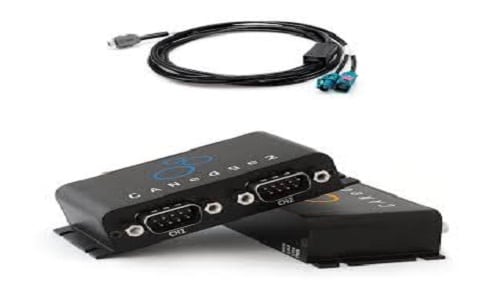
Modern vehicles rely heavily on in-vehicle communication networks to connect ECUs, sensors, ADAS modules, infotainment systems, cameras, and powertrain components. For more than 30 years, the Controller Area Network (CAN) has been the backbone of automotive communication. However, with the rise of ADAS, autonomous driving, high-resolution cameras, radar, and infotainment, traditional CAN is no longer sufficient in many domains. This gap has led to the adoption of Automotive Ethernet, a … [Read more...]
CAN vs CAN FD : Key Differences, Working, Frame Format & Advantages Explained
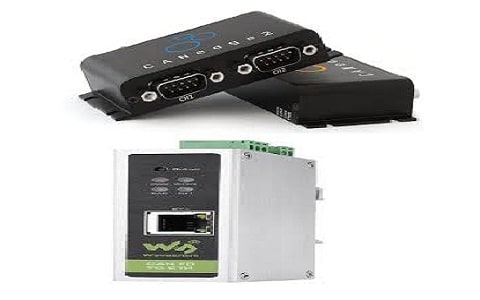
The Controller Area Network (CAN) and its successor CAN Flexible Data Rate (CAN FD) are two of the most widely used in-vehicle communication protocols. Both are essential in modern automotive electronics, industrial automation, and embedded systems, where reliable, deterministic, and high-speed data transfer is critical. While Classical CAN has served the automotive industry for decades, the growing demand for faster data transmission, larger payloads, and advanced ECUs led to the development of … [Read more...]
CAN FD Protocol : Specifications, Architecture, Working, Vs CAN & Its Applications
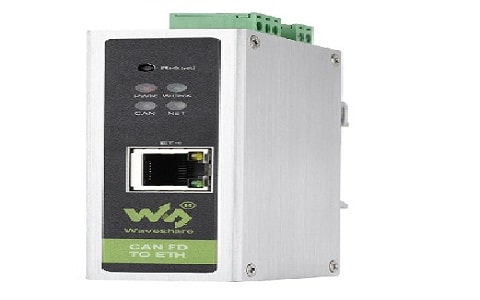
Communication protocols are a set of rules for ECUs that define how electronic control units exchange data with common protocols like CAN, Ethernet, LIN, and FlexRay. These communication protocols can normalize message formats, error detection, data rates, and timing. Thus, ensures efficient and consistent communication between devices within complex systems like industrial equipment and vehicles. Similarly, CAN FD is an enhanced communication protocol for ECUs that provides larger data payloads … [Read more...]